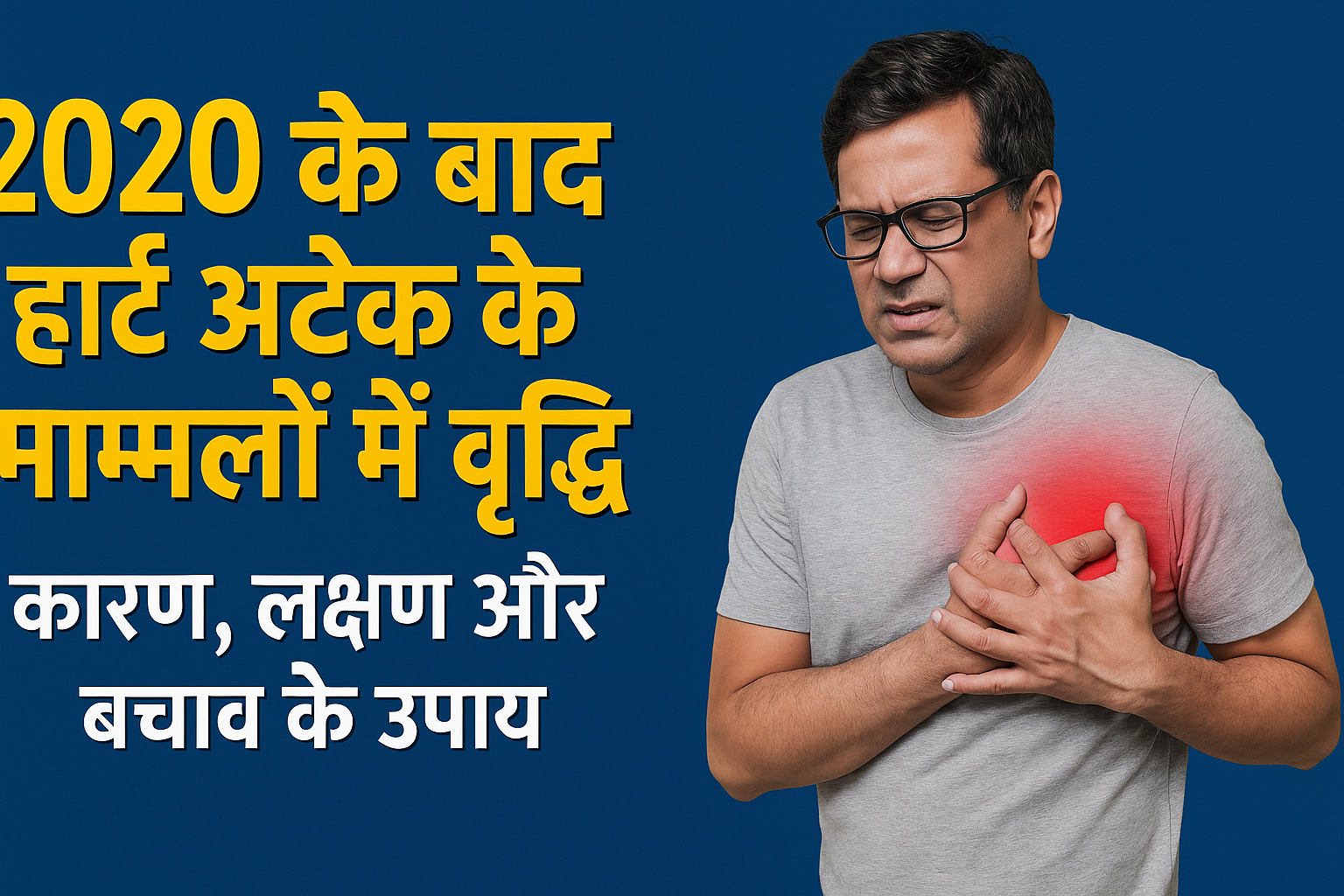
Heart attacks after 2020
Heart attacks after 2020
“Why Heart Attacks Have Increased Since 2020: Causes, Symptoms & Prevention Tips”
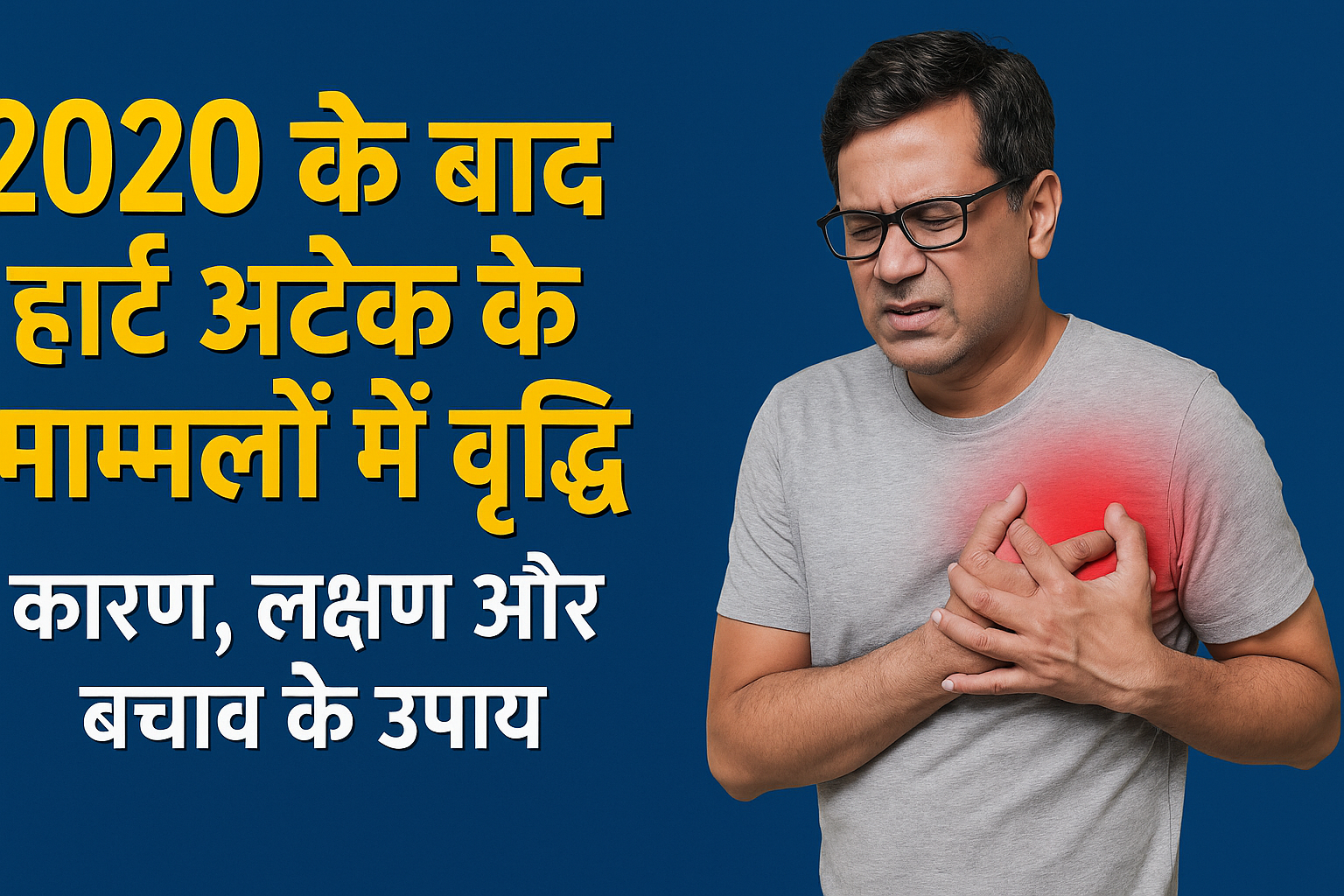
🔍 Introduction:
—
🫀 1. The Impact of COVID-19 on the Heart:
COVID-19 is primarily a respiratory virus, but it also affects the cardiovascular system. Even after recovery, many patients experience inflammation in their blood vessels, which can lead to blood clots, myocarditis (inflammation of the heart muscle), and increased risk of heart attacks.
This condition is commonly referred to as Post-COVID Syndrome.
Studies have shown that COVID can damage the inner lining of blood vessels (endothelium), making heart attacks more likely.
Even mild COVID cases can cause lasting cardiovascular effects.
—
💉 2. Post-Vaccination Complications (Rare but Noteworthy):
In rare cases, some individuals — particularly young males — experienced myocarditis or pericarditis after receiving certain COVID-19 vaccines (mostly mRNA-based like Pfizer or Moderna).
However, these cases were rare and mostly mild, and vaccines have saved far more lives than they may have affected.
—
😰 3. Increased Mental Stress & Anxiety:
The pandemic led to lockdowns, job losses, isolation, fear, and grief — all of which contributed to chronic stress.
Stress causes the release of cortisol and adrenaline, which raise blood pressure and heart rate, creating a fertile ground for heart attacks.
Emotional stress is now considered as dangerous as physical health risk factors.
—
🍔 4. Lifestyle Changes During the Pandemic:
During lockdowns, many people developed unhealthy habits:
Sedentary lifestyle due to work-from-home
Increased junk food consumption
Alcohol and tobacco use
Irregular sleep patterns
All these factors contribute to obesity, diabetes, high cholesterol, and hypertension, which are key causes of heart disease.
—
📉 5. Delayed Medical Checkups and Treatment:
Due to fear of catching COVID-19 at hospitals, many people ignored early signs of heart issues, missed regular health checkups, or delayed treatment.
Early detection of heart disease is critical — delays often lead to sudden attacks without warning.
—
🧬 6. Genetic Predisposition and Environmental Factors:
Some people, especially in South Asian populations, are genetically more prone to heart diseases. When combined with unhealthy lifestyle and high pollution levels (especially in cities), the risk increases exponentially.
—
✅ Conclusion:
The surge in heart attack cases after 2020 is a result of multiple interconnected factors — including the direct effects of COVID-19, mental stress, sedentary habits, and ignored health symptoms. It’s more important than ever to take preventive measures:
Regular exercise
Healthy diet
Stress management
Routine health checkups
Avoiding smoking and alcohol
Staying informed and aware
—
Stay healthy, stay aware — your heart needs you more than ever. ❤️
About the Author