sarkarialertx@gmail.com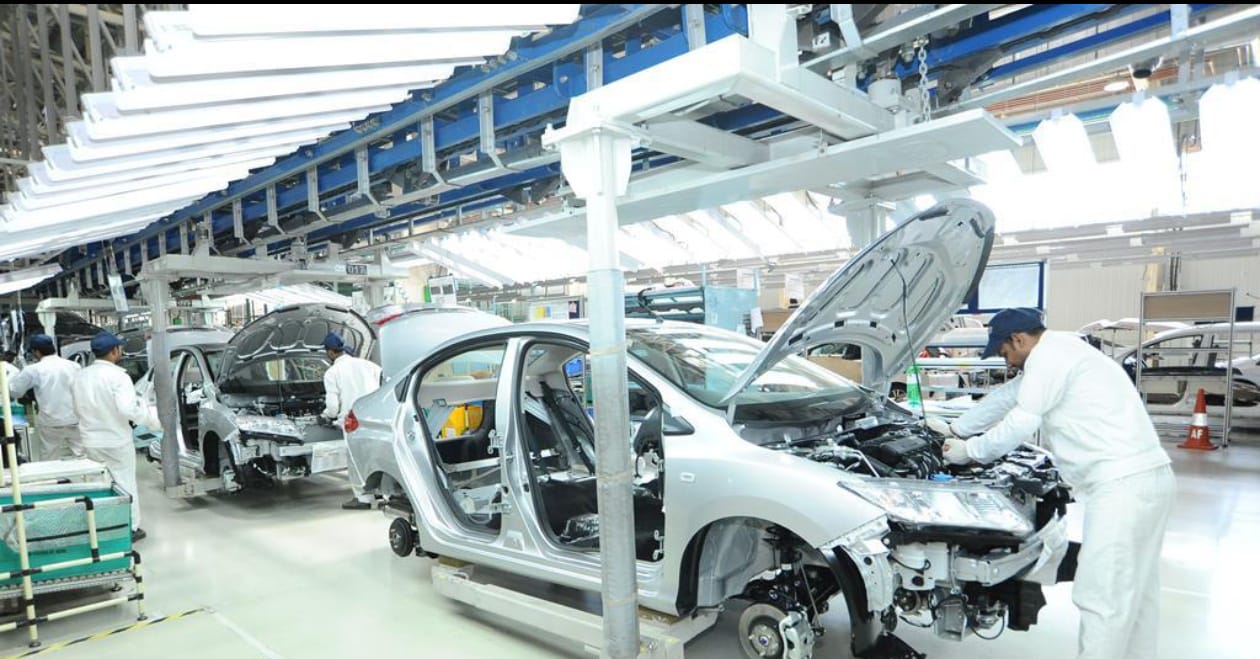
India’s Auto Sector Dodges Rare Earth Export Bullet: Here’s How
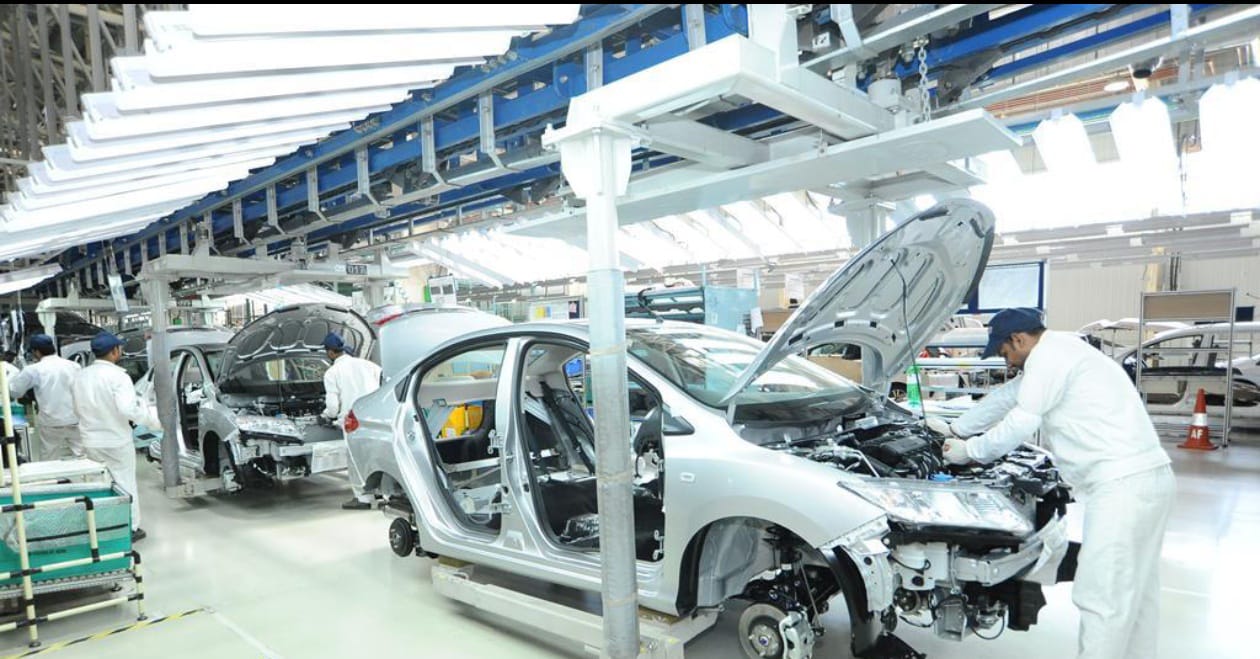
Rare earth elements like neodymium, dysprosium, and terbium are essential for manufacturing electric motors, batteries, and many electronic components. These materials are critical for electric vehicles (EVs), which are at the heart of India’s future mobility goals.
🔧 What Triggered the Crisis?
China, which controls over 85% of the world’s rare earth supply, has recently increased restrictions on the export of key rare earth materials due to geopolitical tensions and the desire to secure its domestic industries. This move alarmed many countries that rely heavily on China for these resources.
However, while the global auto industry scrambled to secure alternative suppliers, India’s sector remained relatively unaffected. Here’s how:
—
🚗 India’s Auto Industry Strategy:
1. Local Sourcing & Recycling Initiatives
India has been investing in the development of domestic rare earth reserves in states like Andhra Pradesh and Odisha. Additionally, companies like Tata Motors and Mahindra have explored rare earth recycling from e-waste and scrap components, reducing dependency on imports.
2. Diversified Supply Chain
Instead of over-relying on China, Indian manufacturers have gradually built trade relationships with countries like Australia, Vietnam, and Brazil for rare earth supplies. This diversification helped shield the industry from a sudden supply shock.
3. Focus on Non-REE Technologies
To reduce rare earth dependency, Indian companies are investing in alternative technologies like induction motors and sodium-ion batteries that require fewer or no rare earth materials.
4. Government Support & Policy Push
India’s Production-Linked Incentive (PLI) scheme for Advanced Chemistry Cell (ACC) battery storage and EVs has motivated local manufacturing and R&D, encouraging innovation in materials and technology.
—
🌱 What This Means for India’s EV Future
With the EV sector expected to drive auto growth in India, having a secure rare earth supply is crucial. India’s ability to avoid a crisis strengthens investor confidence and sets an example for strategic self-reliance.
Industry analysts predict that India’s efforts may not only protect it from future global disruptions but may also make it a key supplier in rare earth-based technologies, especially if its domestic extraction capabilities scale up efficiently.